


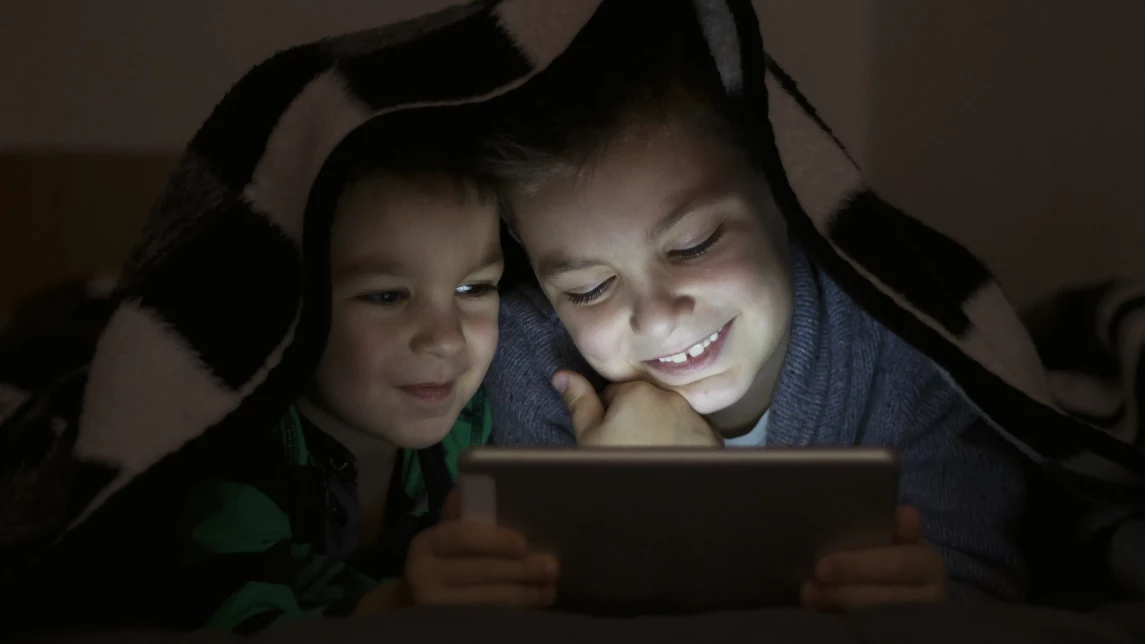
Kids Using Phones at Night: How to Limit Screen Time
Many parents notice the same pattern: the lights are off, but the screen is still glowing. If your child keeps scrolling late into the night, it’s rarely just a habit — it’s often driven by engaging apps, social media, and routines that quietly disrupt healthy sleep.
In this guide, you’ll find practical steps, quick fixes, and long-term strategies to reduce screen time, improve sleep, and build a healthier evening routine without constant conflict.


Why Kids Use Phones at Night
When your child uses their phone at night, the behavior is often rooted in excessive screen time and dopamine-triggered habits that interfere with a natural sleep cycle. The instant gratification from social media and games creates an appealing distraction from bedtime routines.
- Cause: Overstimulation from apps and social media.
- Effect: Disrupted melatonin levels and poor sleep quality.
- Risk: Fatigue, mood changes, and lower academic performance.
- Solution: Implement screen time rules combined with automated limits.
This basic framework lays the foundation for reducing nightly screen use, enabling both immediate improvements and sustainable digital habits. Here’s how to reduce screen time and build a healthy schedule without daily conflict.
How to Stop Kids from Using Phones at Night (Quick Fixes That Work)
Why Quick Fixes Alone Don’t Work
While immediate measures can provide a short-term solution, relying solely on quick fixes often falls short due to several factors:
- Children easily revert to their old habits once the temporary limitation is lifted.
- Lack of consistency can lead to mixed signals about acceptable behavior.
- Emotional resistance makes punishment-based approaches counterproductive.
These insights highlight why a balanced approach that combines both quick responses and long-term strategies is essential.
Quick Fixes That Work Immediately
Despite their limitations, several immediate actions can help curb nighttime phone use:
- No phone one hour before bed: Establish a device-free period before sleep.
- Fixed cutoff time: Implement and enforce a specific time (e.g., 10 PM) when devices must be turned off.
- Charging outside the bedroom: Keep devices in a common area overnight.
- Temporary Wi-Fi limits: Disconnect internet access during designated hours.
What NOT to Do
Avoid these counterproductive actions:
- Sudden bans that can lead to rebellion and secretive behavior.
- Using punishment instead of guidance, which often escalates tension.
- Ignoring the issue altogether, which only entrenches the habit.
Why Kids Get Addicted to Phones at Night (Nomophobia Explained)
Nomophobia, or the fear of being without a mobile phone, is increasingly common among young users. This condition reflects an unhealthy attachment where emotional security is tied to constant connectivity.
Signs of Phone Addiction in Kids
Watch for these indicators:
- Constantly checking the phone, even during meals or family time.
- Apparent anxiety or distress when separated from the device.
- Staying up excessively late despite tiredness.
- Occasionally displaying aggression when access to the phone is limited.
Recognizing these signs early can help mitigate further escalation and promote a healthier balance between online and offline activities.
Age Differences (Kids vs Teens)
Younger children are mostly drawn to games and videos, finding them simple sources of entertainment. Teenagers, however, are more engaged by social media and the Fear Of Missing Out (FOMO), which intensifies their need to remain constantly connected.
Why Night Screen Time Is Harmful
Impact on Sleep and Melatonin
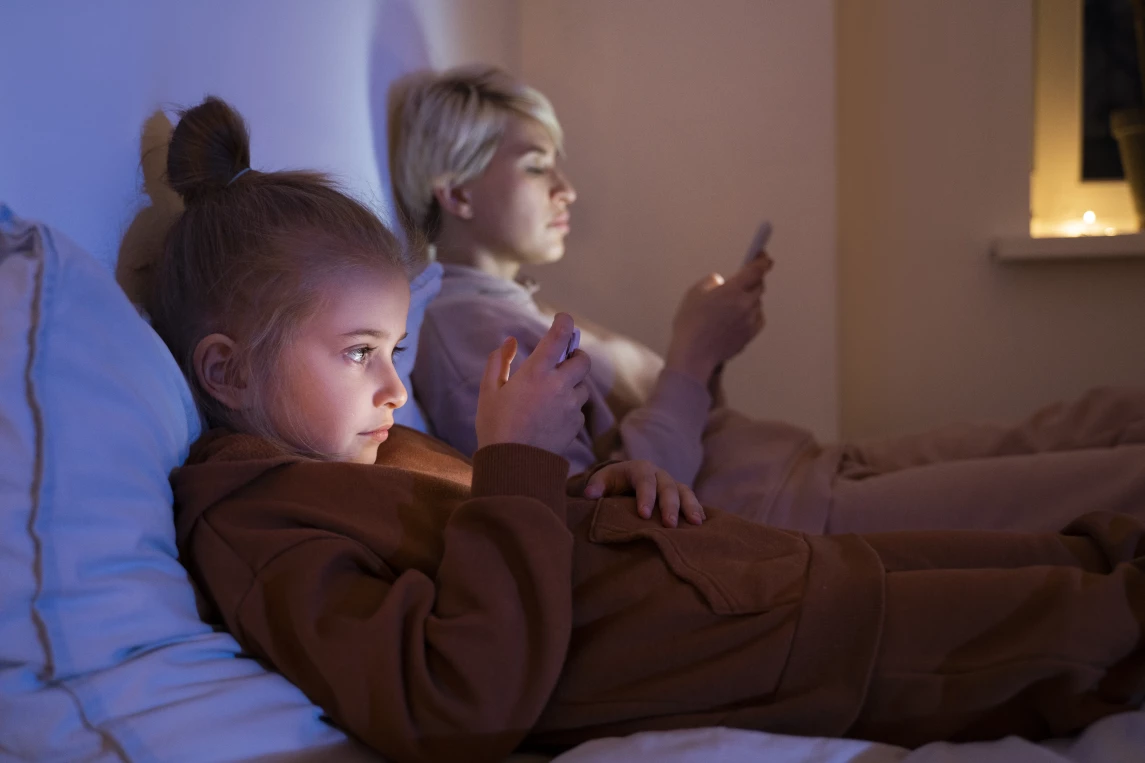
Exposure to blue light from screens disrupts the natural production of melatonin, the hormone that regulates sleep cycles. While some devices offer a night mode, the reduction in blue light is rarely sufficient to negate the sleep-disrupting effects entirely.
This is important because inadequate sleep can lead to chronic fatigue and cognitive decline in children, impacting their overall health.
Brain and Mental Health Effects
Repeated exposure to screen light and the dopamine spikes triggered by app notifications foster addictive behavior. Over time, this can impair the brain’s wiring responsible for focus and mood regulation.
Understanding these effects underscores the need for a structured digital routine that supports mental health rather than hindering it.
Physical and Academic Impact
The physical consequences include eye strain, poor posture, and persistent fatigue. Academically, the distraction of nighttime screen use often results in decreased concentration and lower school performance.
The ripple effect of these impacts is significant, affecting not only health but also long-term educational outcomes.
How Much Screen Time Is Too Much for Kids?
Screen Time Recommendations by Age
Experts suggest the following guidelines:
- Ages 6–10: Limited interactive and passive screen time with emphasis on educational content.
- Ages 10–14: Moderation is key, balancing digital use with physical and social activities.
- Ages 14+: Encouraging self-regulation and a conscious effort to step back from the screen periodically.
Average Screen Time vs Healthy Limits
Recent studies indicate that most children exceed the recommended limits, with many spending hours on devices daily. Establishing benchmarks based on age can help parents set healthier expectations and monitor usage effectively.
This comparison is crucial for identifying when screen time becomes excessive and requires intervention.
How to Reduce Screen Time and Build a Healthy Schedule
Set Clear Screen Time Rules for Kids
Begin by establishing daily limits on screen use and ensuring devices are turned off before bedtime. Clear guidelines help create consistency and reduce disagreements over digital time.
Parents defining clear boundaries can proactively limit distractions and encourage more productive activities.
Create a Healthy Evening Routine
A structured routine that includes offline alternatives—such as reading, board games, or outdoor activities—can ease the transition from screen time to rest. Consistent habits eventually replace the urge to use devices late into the night.
Developing such routines is key to better sleep and overall well-being.
Lead by Example
Your behavior sets the tone. Limit your own screen time in the evenings, and establish family rules that prioritize face-to-face interactions over digital engagements. The entire household benefits when parents model responsible technology use.
Why Rules Alone Don’t Work (And What Does)
Kids Lack Self-Control Over Screen Time
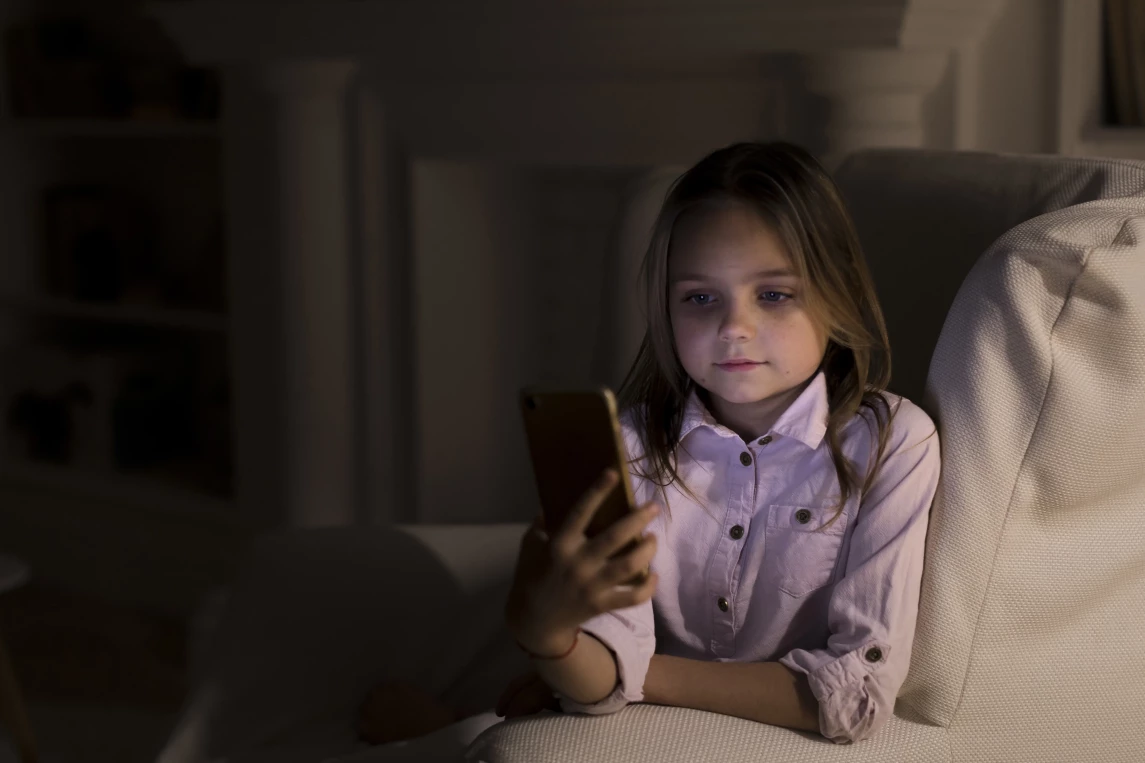
The developing brain in children often struggles with impulse control, making it difficult for them to self-regulate screen use even if rules are in place. Recognizing this fact emphasizes the need for external support systems.
Constant Parent–Child Conflict
Strict enforcement of screen time rules without adequate dialogue frequently leads to emotional resistance and ongoing conflicts. It’s vital to approach the issue with understanding and constructive negotiations.
Why Automation Works Better
Automated controls reduce the stress of constant monitoring and create a consistent, conflict-free environment. Tools that block apps or set schedules remove the temptation and reduce arguments.
This lessens parental stress while promoting long-term adherence to limits.
Best Ways to Control Kids’ Screen Time at Night (Tools & Apps)
How to Check Screen Time (iPhone & Android)
Both iOS and Android offer built-in features that allow you to track screen usage. These tools provide a snapshot of how much time your child spends on various apps and help you diagnose problem areas.
Why Built-in Controls Are Not Enough
Although useful, native tools can be bypassed by tech-savvy kids. They typically lack real-time oversight and robust automation, making them insufficient for long-term management. Many kids quickly learn how to disable or work around these limits.
Using a Screen Time App
Third-party applications provide advanced features like scheduling, app blocking, and detailed usage tracking. These offer parents greater control over when and how their child accesses digital content.
Setting Night Restrictions (Example Schedule)
An effective approach is to set a strict no-phone period from 10 PM to 7 AM. During these hours, limit app or category access to ensure a solid, uninterrupted sleep schedule. Apps like the Kroha parental control app allow parents to block apps on a schedule or limit phone use in real time, reducing distractions during critical hours. It enables parents to block apps according to a customized schedule or even disable the child's phone in real time, minimizing screen distractions at critical times.
FAQ: Kids, Screen Time, and Sleep
How much screen time is too much for kids?
It varies by age, but excessive use is commonly defined as any usage that interferes with sleep, homework, or physical activity. Use age-specific guidelines to assess healthy limits.
How can I reduce screen time for kids without conflict?
Employ a balanced mix of clear rules, a solid evening routine, and automated tools. Consistency and dialogue help minimize resistance.
How do I check screen time on iPhone and Android?
Both platforms offer built-in screen time trackers. However, for more robust controls, consider using dedicated screen time apps that offer scheduling and real-time blocking features.
Do screen time apps actually work for parents?
Yes — when used correctly, screen time apps can significantly reduce nighttime phone use and help build consistent sleep routines. Apps like Kroha allow parents to set schedules, block apps at night, and manage screen time without constant conflict.
Conclusion
Nighttime phone use among children isn’t merely a behavioral hiccup—it’s a modern challenge that affects sleep, mental health, and academic outcomes. A balanced, system-based approach involving clear rules, a healthy routine, and automation is more effective than strict bans alone.
With the right mix of immediate fixes and long-term strategies, you can reduce screen time and help your child build a healthy sleep schedule without daily stress. Empower your family with tools like the Kroha parental control app and create a harmonious digital environment.
More tools for your peace of mind
Controlling your child’s phone usage time and taking care of their eyesight is not only about restrictions, but also about forming healthy digital habits.
To control gadget use even more effectively and take care of your child’s safety, explore our additional materials:
- How to Limit Your Child’s Screen Time on Android and iOS — proven ways to set limits and create a clear schedule for device use.
- How Does the “Eye Protection” Feature Work on Your Child’s Phone — learn how technologies help automatically control a safe distance from the screen.
- Dry Eye Syndrome: How Parental Control Kroha Can Protect Your Child's Vision — practical instructions for quickly limiting unwanted content.
- How to See Your Child’s Activity on the Phone — monitoring apps, usage history, and overall screen time.
Recent articles

Instagram Parental Control & Message Tracking Guide
Instagram remains one of the most popular platforms among children and teens. Its visual nature, viral trends, and influencer culture make it especially appealing to younger users. With millions of active users worldwide, Instagram provides a space for creativity, self-expression, and social interaction. However, this popularity also brings significant challenges for parents concerned about their children's safety and well-being online.
In an age where digital presence is increasingly integral to social life, ensuring that children navigate Instagram safely is paramount. This article aims to help parents monitor and limit their child’s Instagram activity using built-in tools and advanced solutions like the Kroha app. By understanding the risks and utilizing effective parental control applications, parents can create a safer online environment for their children.


When Should a Child Get Their First Phone?
Many parents ask the same question: When is the right time to give a child their first phone? There is no universal age that works for every family. Some children are ready at 9, while others may need to wait until 12 or older.
The decision depends less on age and more on maturity, responsibility, and the reason a phone is needed. Whether your child wants a device for school, staying in touch with friends, or greater independence, setting expectations from the beginning is essential.
In this guide, you'll learn how to assess smartphone readiness, choose an age-appropriate device, and establish healthy rules that balance independence with online safety.